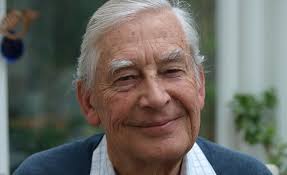
The death of Richard Douglas Harries on 29 April 2026 marks the passing of one of the most thoughtful and influential Anglican figures of modern Britain. A respected theologian, church leader, and public intellectual, Harries’ life was defined by a deep commitment to faith, ethical reflection, and engagement with the wider world. His tenure as Bishop of Oxford from 1987 to 2006 placed him at the heart of religious life in England during a period of significant social and theological change.
Born on 2 June 1936, Harries was educated at Wellington College before attending the Royal Military Academy Sandhurst. He was commissioned into the Royal Corps of Signals in 1955, serving as an officer and demonstrating an early sense of discipline and service. However, his path soon shifted toward the Church, reflecting a deeper vocation. After leaving active military service, he pursued theological studies at Selwyn College, Cambridge, where he earned his academic degrees, and later trained for ordination at Cuddesdon College.
Ordained in the early 1960s, Harries rose steadily through the ranks of the Church of England. His appointment as Bishop of Oxford brought him national prominence, and he quickly became known as a leading liberal voice within Anglicanism. He was deeply engaged with some of the most pressing issues facing the Church and society, including debates over gender equality, human rights, and the ethical responsibilities of institutions. His approach was marked by a willingness to listen, to challenge, and to encourage dialogue, even in the face of controversy.
Beyond his episcopal role, Harries made substantial contributions to academic and public life. He served as Dean of King’s College London and later as Gresham Professor of Divinity. A prolific author, he wrote extensively on theology, ethics, and the relationship between religion and art, helping to make complex ideas accessible to a wider audience. His reflections were also shared through broadcasts such as Thought for the Day, where he brought moral and spiritual insight into everyday public discourse.
In recognition of his contributions, Harries was appointed a life peer and took his seat in the House of Lords as a crossbench member. There, he continued to advocate for ethical reflection in public policy, addressing issues such as bioethics, social justice, and the role of religion in a pluralistic society.
Richard Harries is remembered as a man of intellect, compassion, and integrity. His legacy lies not only in the positions he held but in the thoughtful and humane way he approached the challenges of his time. His influence will continue to resonate in theological thought and public life for years to come.
About the Author
